

Brainspotting
A brain-based trauma therapy for rapid, effective change…
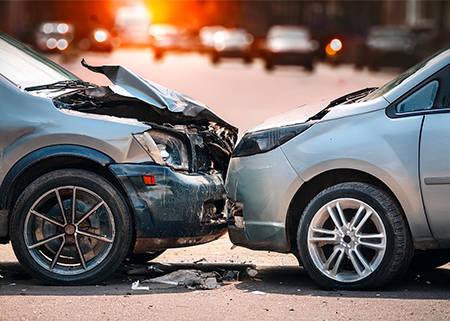 The world shattered that day.
Trigger alert: Car accident described.
It sounded like tearing metal, a screech so high-pitched it clawed at my eardrums.
One moment, I was riding back from the mall with my mom and best friend, listening to some song on the radio. The next, a blur of chrome and shattered glass filled my vision.
The impact slammed me against the windshield and left me in a heap on the passenger side floorboard. Disorientation washed over me as I slowly lifted my head and opened my eyes. Slowly coming into focus, I recognized my mom in the driver’s seat. She was slumped forward, her mouth and hand bloodied from the impact.
Barely able to register what I was seeing, my mind struggled to catch up to my senses. I heard far-away voices. My passenger door opened, and a woman began to speak to me as she helped me out of the car. Still not fully processing what was happening, I followed her commands, lying down on broken glass on the road.
The world around us was a cacophony – the roar of traffic on the highway nearby and the shouts of strangers. We were loaded into an ambulance and rushed to the hospital. A few stitches and six weeks of crutches healed the physical injuries.
But the mental and emotional injuries would continue for decades.
 That remained etched into my bones.
Even years later, the simple act of getting into the passenger seat of a car became a battle against my own body.
The click of the seatbelt, once a mundane routine, now triggered a cascade of unwanted sensations. My heart began to race, a frantic drumbeat against my ribs. My palms sweated, and my breath hitched in my throat, making it hard to swallow.
The world outside the car window seemed to hold a thousand hidden dangers. Every approaching vehicle became a potential threat and had me jumping out of my seat. A dark cloud of anxiety hung over me; it was a constant companion on every car ride.
I felt broken.
One moment in time gave me decades of anxiety. Another moment set me free.
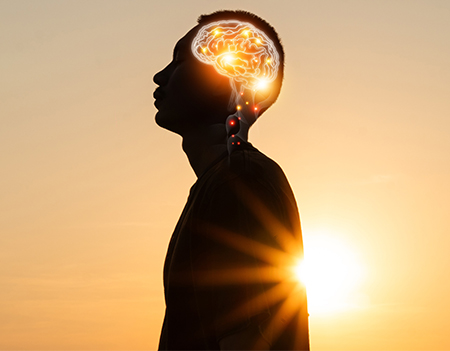 Traumatic events overwhelm our brain and body.
They’re not processed like normal incidents.
Typical trauma is processed not at the moment we experience them, but linger. Traumatic or difficult experiences are too intense to be processed at the time, so they are stored deep within the brain as “brain spots.”
The stored trauma and pain give rise to a wide range of emotional and body-based symptoms. If you recall an upsetting memory, you may still feel the distress in your body, like tightness in your chest or a pit in your stomach.
That emotional upset is stuck in your body.
Brainspotting is a way to heal.
Brainspotting helps you access and heal the area where trauma and emotional upset are lodged in your nervous system. Brainspotting uses eye positions to identify the “spots” in the limbic center of the brain where the emotional memory is stored.
By focusing on these spots during therapy, your brain can reprocess them, which reduces the intensity of the stored trauma and pain.
You’ll still remember what happened, but the emotional arousal or charge will be released.
Say goodbye to intense emotional triggers!
Brainspotting is an effective treatment for PTSD, phobias, fears, panic attacks, depression, anxiety, performance anxiety, and trauma.
It can be done in person or online. You’ll wear headphones on low so you can listen to bilateral stimulating music alternately in your left and right ears and hear my voice.
In Brainspotting, we have a saying: “What is stored in the brain is stored in the body… and vice-versa.” So, as you reprocess the trauma in your brain, you’ll likely feel sensations in your body.
Brainspotting is like a deep-tissue massage for the brain. Afterward, you’ll want to take it easy for the rest of the day and stay hydrated.
 After Brainspotting for that car accident…
I got into the passenger’s side of the car without issue. The click of the seatbelt was just that – a click. I fastened it without a second thought – no familiar lurch of anxiety in my stomach. The car, once a metal cage of fear, was now simply a vehicle, a way to get from point A to point B.
As he started the engine, I heard the low hum of a neutral sound, and I noticed a car approaching from the opposite direction. Instead of the usual spike of panic, I simply registered it as another car, obeying the rules of the road.
The drive was unremarkable. Gone was the familiar wrestling and squirming in my seat. My heart beat at a steady, relaxed pace, and my hands were no longer slick with nervous sweat. My breath flowed evenly, with no hint of the old tightness in my chest.
***
It wasn’t that I forgot the accident. The memory was still there, but it was different now. It was muted, like a photograph faded by time.
It didn’t have the power to hijack my nervous system, to flood me with panic. I can think about it without the accompanying rush of adrenaline.
The car, once a trigger, is now just a car. And I, once a prisoner of my fear, am finally free.
Let’s start YOUR transformation.
This is not an isolated event. I have dozens of other stories that illustrate the deep relief that can be experienced through Brainspotting.
It’s time to transform the pain you feel in the present and make it a thing of the past.
Release trauma’s grip on your life. Call today to schedule a free consultation: (707) 266-6309.